Navigating complex physical and mental health
Beyond One-Size-Fits-All explores health through a systems perspective, particularly when symptoms, medical history, test results, and other contributing factors do not point to a single straightforward explanation.
The focus is on the connections between physical and mental health, and on making sense of the complex, evolving picture that emerges from a person’s history, changes over time, and clinical data.
Free Tools
Interactive tools designed to help organize complex health information and explore questions that may be worth looking into further.
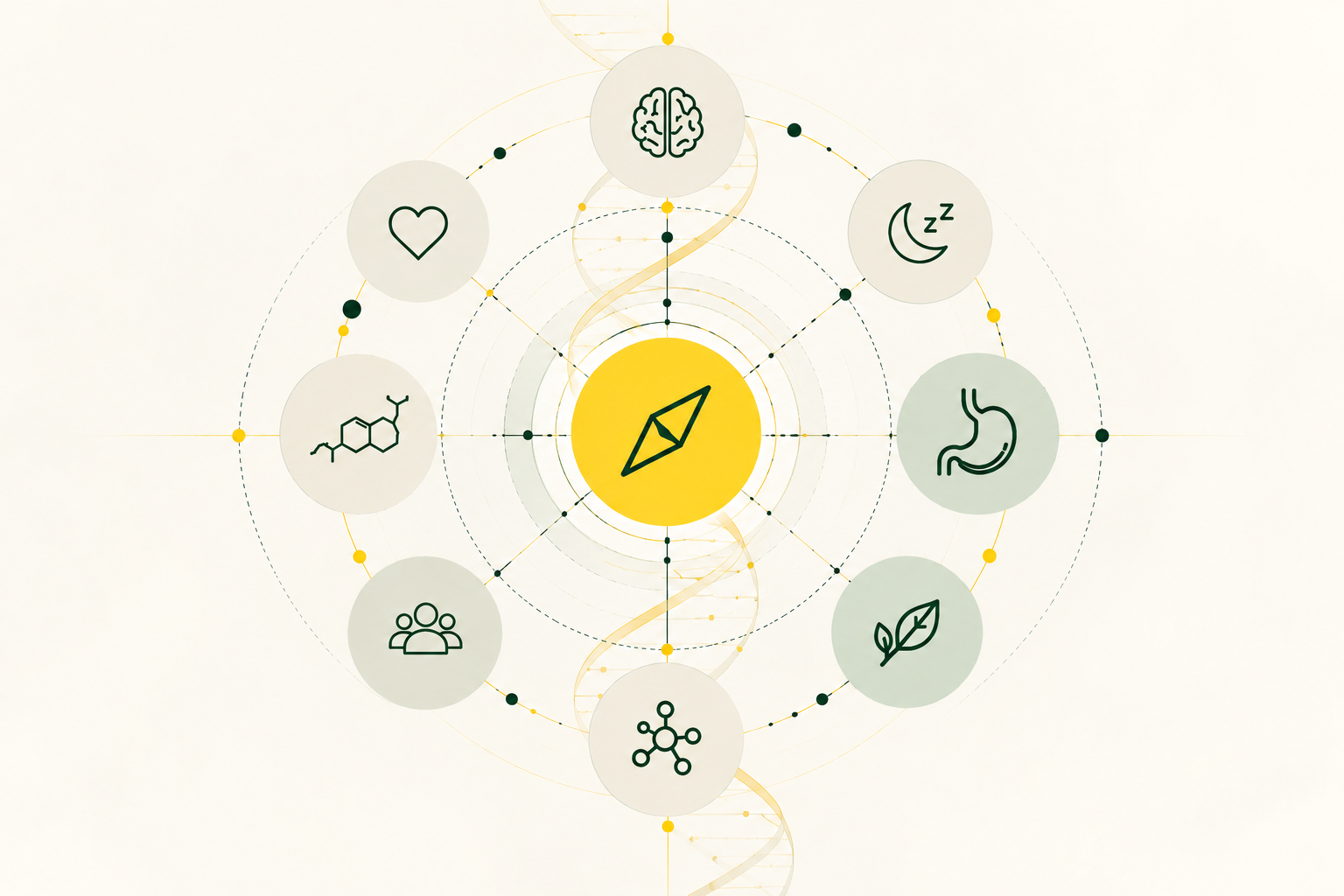
Depressive States Navigator
Depressive symptoms can arise within a much broader context, involving physical health, mental health, lifestyle, life circumstances, and multiple interacting factors.
The Navigator helps you organize what you are experiencing, consider connections that may have been overlooked, and prepare for a more informed conversation with a qualified professional.
Explore the NavigatorThe Navigator is an educational tool. It does not provide a diagnosis or replace professional medical or mental health care.
Methylation Patterns Quiz
Explore methylation as a system rather than through a single gene or isolated marker. The quiz looks at patterns across interconnected pathways and helps you explore how different factors may fit together.
Take the Quiz

Elena Gordeeva
My work sits at the intersection of psychology, mental health, nutrition, nutrigenomics, and functional medicine, with a particular interest in complex cases where physical and mental health need to be considered as part of the same picture.
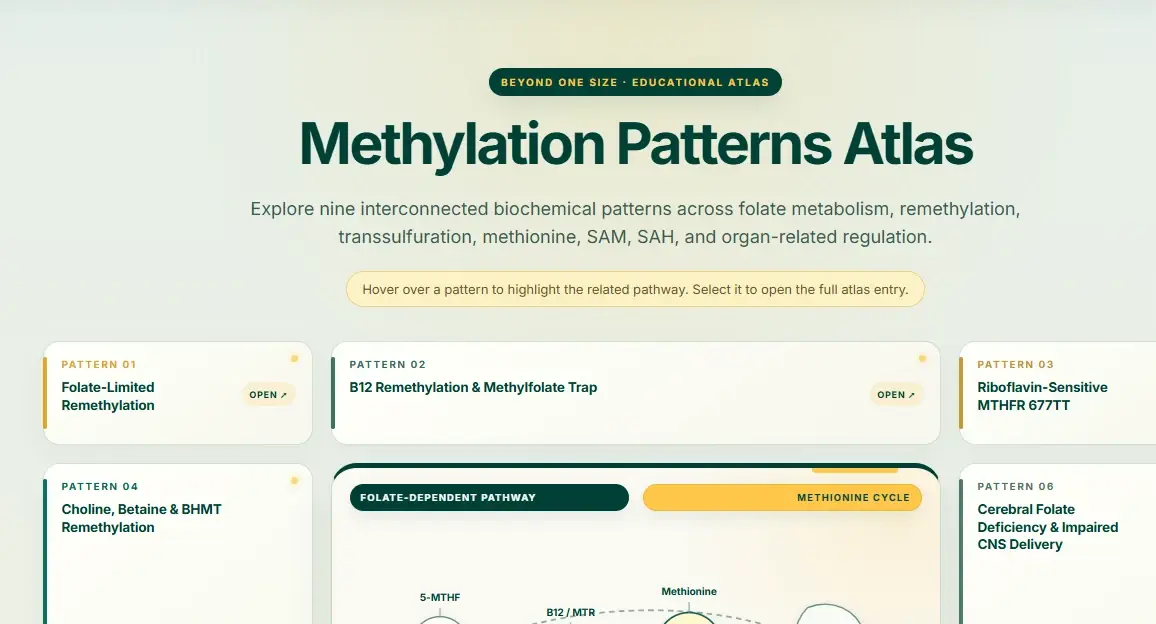
Most methylation reports give you fragments. The Atlas was built to show the system.
The Methylation Patterns Atlas brings genes, biomarkers, nutrients, pathways and supplement responses into one structured biochemical framework.
Explore nine detailed methylation patterns, compare overlapping mechanisms, see what individual findings can and cannot mean, and navigate the subject with visual maps, evidence summaries and a built-in Atlas Assistant.
Bespoke Complex Case Management
For cases that do not fit neatly within one diagnosis, one specialty or one explanatory model.
Complex cases often accumulate years of symptoms, test results, diagnoses, treatment attempts and specialist opinions, while the overall picture remains fragmented.
My role is to build and continuously refine an integrated model of the case, identify the questions that matter most, and involve the right specialist expertise when it can meaningfully move the case forward.
Complex mental health & neuropsychiatric cases
Depression, anxiety, cognitive changes, severe fatigue, loss of functioning or unusual treatment responses where the psychiatric picture alone does not fully explain the course of the condition.
Autoimmune & multisystem disease
Cases involving systemic or overlapping autoimmune conditions where neurological, endocrine, gastrointestinal, nutritional or mental health factors may need to be considered together.
Post-infectious & post-viral syndromes
Persistent or evolving symptoms following infection, including Long COVID and ME/CFS-like presentations, particularly when fatigue, cognitive changes, autonomic symptoms, sleep disturbance, pain and mood changes overlap.
Multiple diagnoses with no coherent explanation
Several diagnoses may already exist, but they do not adequately explain why symptoms appeared together, why they fluctuate, or why treatment of individual parts of the picture has produced only limited improvement.
Persistent unexplained multisystem symptoms
Ongoing combinations of fatigue, cognitive difficulties, sleep problems, autonomic symptoms, gastrointestinal complaints, hormonal changes, pain or reduced exercise tolerance without a convincing explanation from any single specialty.
The aim is not to involve more specialists, but to involve the right specialist at the right moment, for the right question, and make each new piece of information useful to the case as a whole.
